Good development decisions start early
If you’re working in the land development sector, this advice won’t come as a surprise. But if you’re new, please read our article below that explains why setting out a good framework should start as early as possible.
The success of a development project is rarely determined once construction begins. More often, it is shaped months, and sometimes years, earlier by the quality of the assumptions, decisions and governance applied at the front end.
Good project governance is not about adding more meetings or unnecessary reporting. In a development context, it is about ensuring the right information is available at the right time, the right risks are visible, and the right people are connected before major commitments are made.
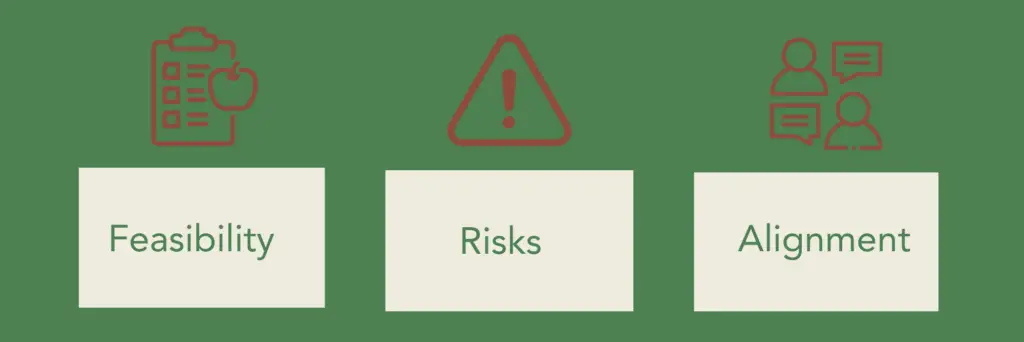
We see three early disciplines as particularly important.
1. Feasibility Feasibility is more than a high-level yield plan or preliminary construction estimate. It requires a clear understanding of the site, infrastructure constraints, consenting pathway, likely staging, development contributions or levies, and the assumptions that sit behind cost and programme. The key question is not simply, “Does the project work?” It is, “What assumptions are we relying on, and have they been tested enough for the decision being made?”
2. Risk Every project carries risk. The important question is whether those risks are visible, understood and capable of being managed.
|
Infrastructure capacity, stormwater, wastewater, earthworks, ecology, access, contamination, geotechnical conditions, construction cost escalation and approval timing can each materially influence feasibility. Good early advice does not eliminate risk, but it helps clients understand where the risk sits, what further information is required, and what decisions should wait until that information is available.
3. Alignment Development projects depend on many workstreams moving together: client objectives, planning, civil engineering, surveying, architecture, geotechnical, legal, funding, construction and authority engagement. One of the biggest risks we see is when these workstreams progress in isolation. Alignment means ensuring technical advice, commercial objectives and project decisions are connected. It allows issues to be identified earlier, options to be tested more efficiently, and investment decisions to be made with greater confidence. In the current market, where infrastructure funding, consenting pathways, construction pricing and market demand are all moving at once, early governance has become even more important. Better information, properly tested and well coordinated, leads to better development decisions. |